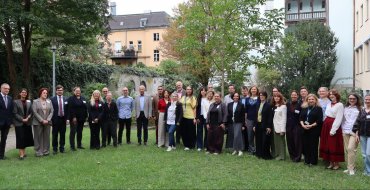
The current state of Ukrainian-Slovak relations was discussed during an expert panel at Uzhhorod National University
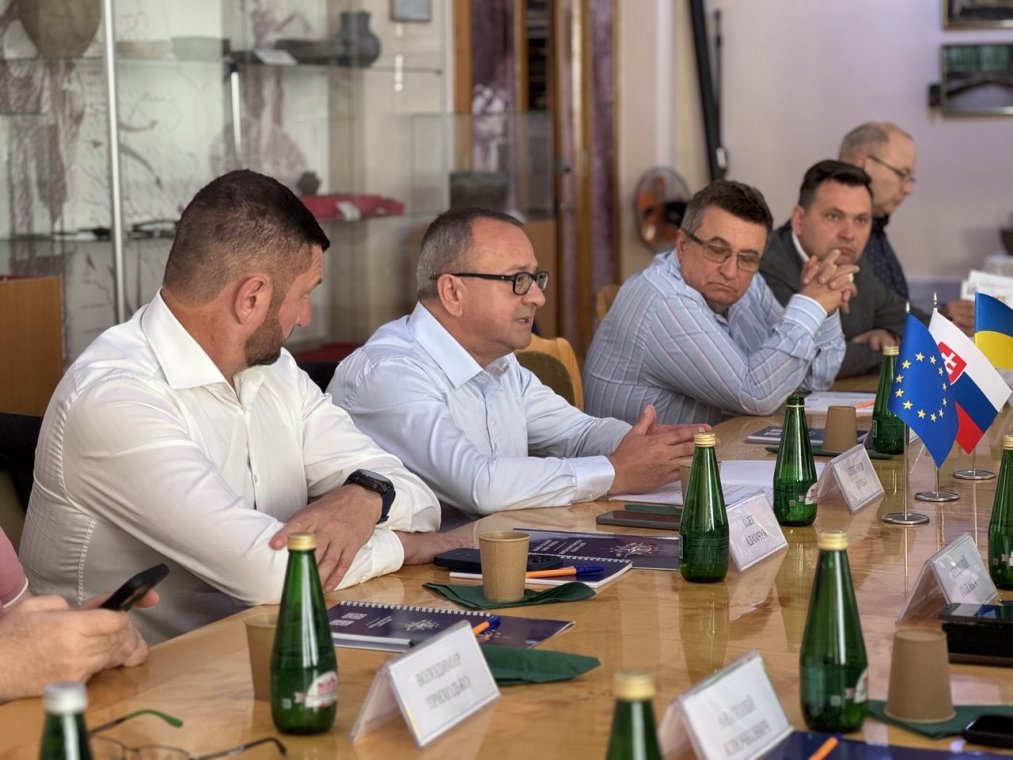
On August 31, 2026, the Uzhhorod Center for Regional Risk Analysis, in partnership with the Institute of Central Europe and the Zakarpattia Branch of the Academy of Political and Legal Sciences of Ukraine, held an expert discussion on the topic “Ukrainian-Slovak Relations in the Current Political Reality: Challenges, Prospects, and the Impact of Upcoming Elections in Slovakia,” featuring the participation of Alexander Duleba, a renowned Slovak expert and scholar and professor at the University of Prešov.
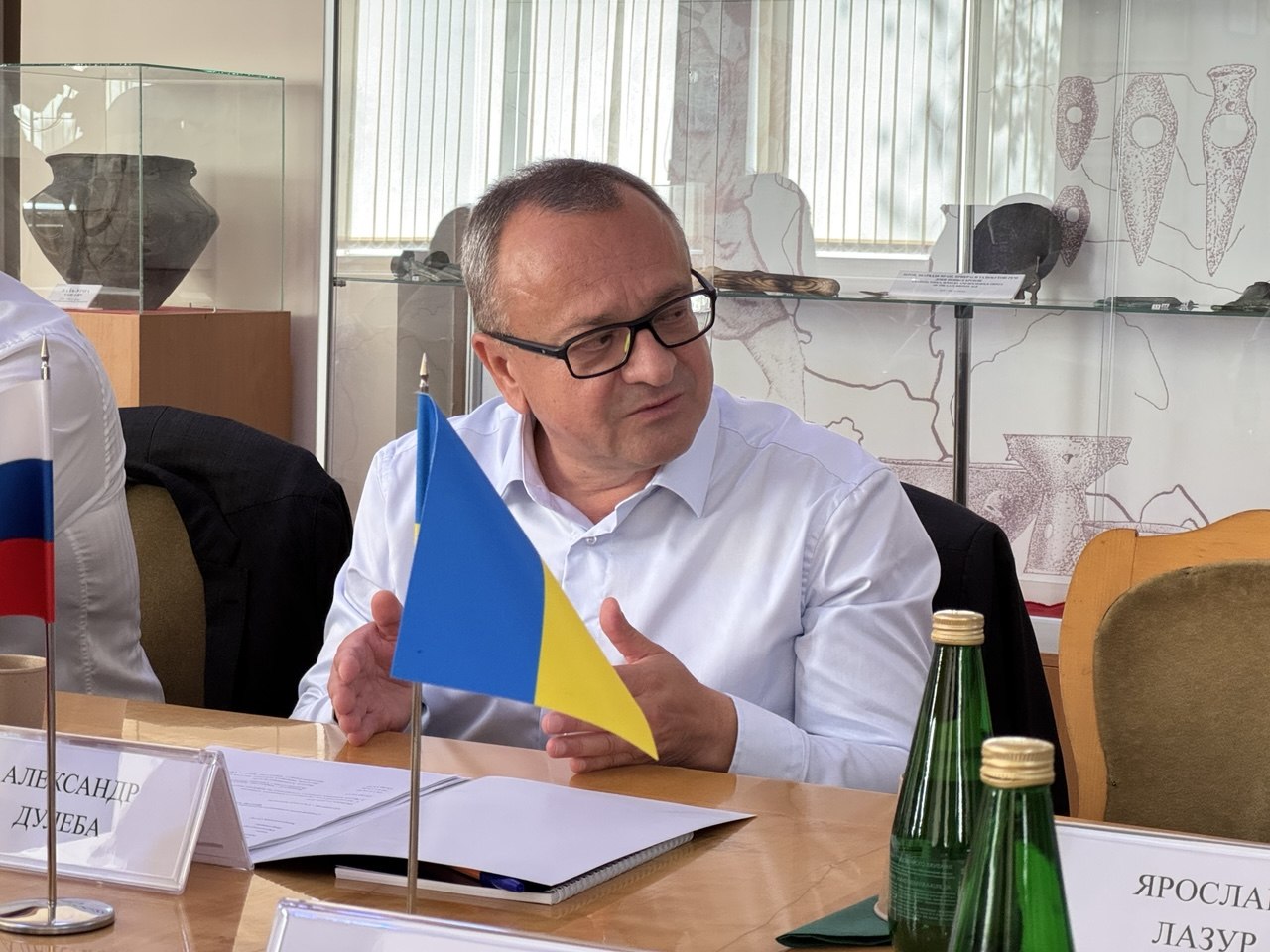
The discussion was preceded by a pleasant occasion—at a ceremonial meeting of the Academic Council of Uzhhorod National University, Alexander Duleba was presented with the academic gown and diploma of an Honorary Doctor of UzhNU. The Slovak diplomat, political scientist, scholar, and expert on international relations and Eastern Europe was awarded this high honor for his significant contribution to the development of Ukrainian-Slovak relations at the state level, his many years of scholarly and expert work in the field of research on Eastern Europe and Ukraine, as well as for fostering scientific and educational cooperation between UzhNU and leading scientific and educational institutions in the Slovak Republic.
The meeting was opened with opening remarks by UzhNU Vice Rector, Doctor of Political Science, and Professor Myroslava Lendiel. She emphasized the particular importance of strengthening multifaceted Ukrainian-Slovak relations amid the ongoing war with Russia, as well as the personal contribution to this cause made by the distinguished Slovak scholar and political scientist with a Ukrainian spirit, Professor Alexander Duleba.

The discussion on these issues was initiated by Svitlana Mitriaieva, Honorary President of the Center for Regional Risk Analysis, Honored Worker of Science and Technology of Ukraine, Academician of the Academy of Political and Legal Sciences of Ukraine, and Doctor of Philosophy. “When we talk about Ukrainian-Slovak relations today, we often see two parallel worlds. On the one hand—sensational political statements for news headlines, pre-election rhetoric, and speculation. On the other—everyday reality: busy border crossings, joint energy and logistics projects, defense contracts, and thousands of Slovaks who continue to help Ukrainians. Therefore, our task as experts is to separate our countries’ strategic interests from the noise of election campaigns. Because politicians and governments come and go, but the 97 kilometers of shared border, shared security, and the shared market remain forever,” said S. Mitriaieva.
In modern politics, there is a very tempting urge to build rhetoric on slogans and fears. This is advantageous during election campaigns. However, election races come to an end, while economic geography remains unchanged. For this reason, today we should set aside emotional statements and view Ukrainian-Slovak relations through the lens of a language that any government and any voter understands best—the language of numbers, pragmatic interests, and mutual benefit.”
During the discussion, a number of important issues were addressed that have a direct impact on the development of Ukrainian-Slovak relations. A separate topic of discussion was the issue of this year’s local elections in Slovakia, which will serve as a prelude to the upcoming parliamentary elections. How exactly is Russia currently attempting to influence Slovak voters’ sentiments, and how effective are Russian disinformation and attempts to stir up hostility toward Ukrainian refugees and Ukrainians in general in this regard?
In response to this question, Professor A. Duleba noted that Russia is currently working closely with so-called “alternative” media outlets, whose activities are aimed at paralyzing people’s minds, instilling doubts in the public consciousness about the effectiveness of democratic state institutions, and promoting the idea that EU membership is unnecessary… And these narratives are finding supporters!
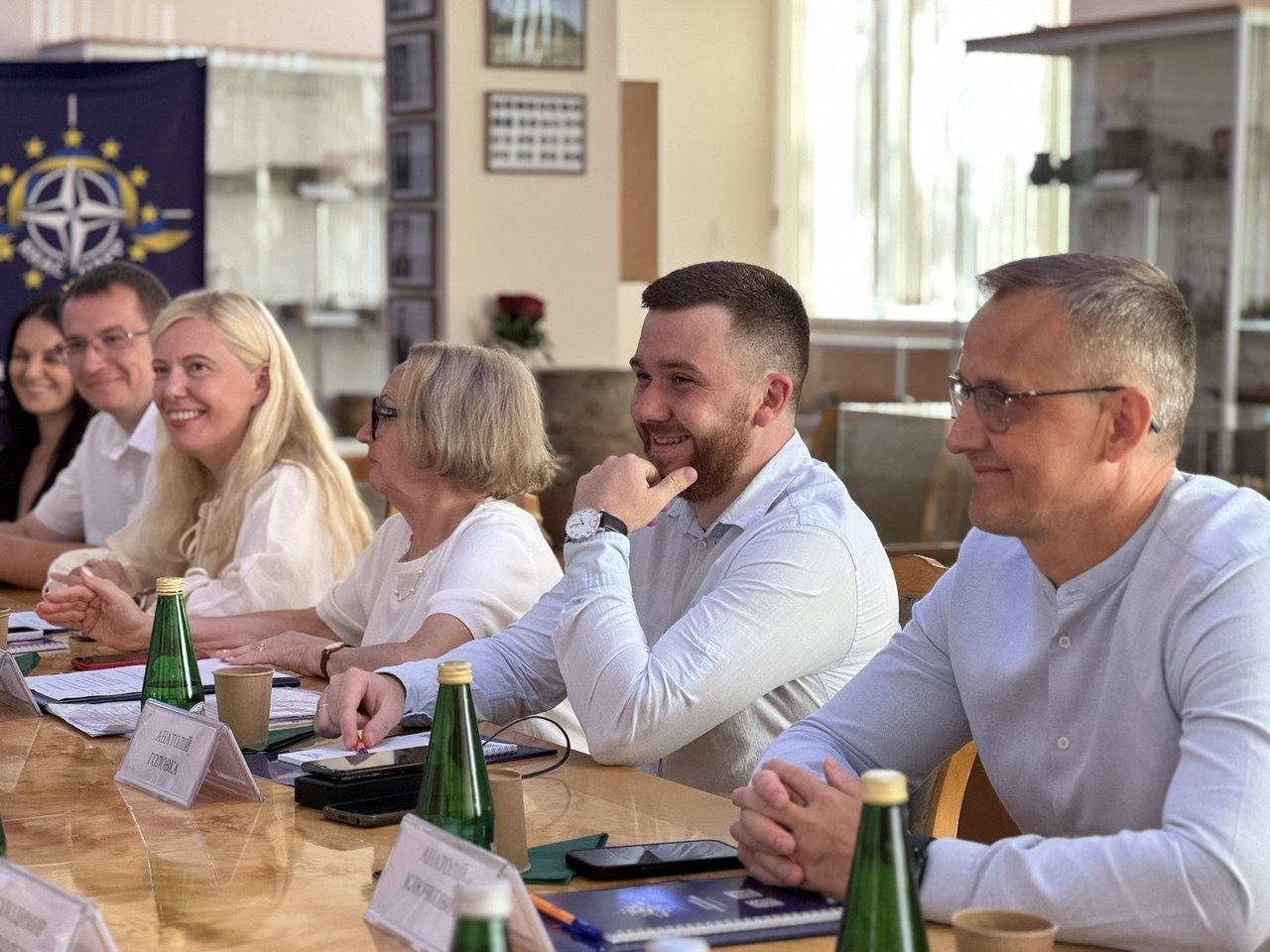
Today, Slovak society is highly polarized. Nearly half of potential voters—more precisely, 46–48 percent—categorically reject current Prime Minister Robert Fico and his party, Smer-SD. The anti-establishment bloc of voters targeted by Russian propaganda accounts for about 30 percent. Another 20% of potential voters have no fixed political convictions. These are people who can radically change their political allegiances in a single day under the influence of a compelling argument. And it is precisely this group of people that will decide the outcome of the election in Slovakia! The best illustration of this is the success in the 2020 election of Igor Matovič’s party “Ordinary People,” led by Igor Matovič, which, three days before the election, saw its support surge from 8% to 25% due to the escalation of anti-corruption sentiment and the public outcry following the 2018 murder of investigative journalist Ján Kuciak and his fiancée. This tragedy sparked mass protests across the country, and allegations of mafia ties to the ruling party undermined confidence in the then-government of R. Fico.
Participants in the discussion highlighted the noticeable gap between the rhetoric and the practical actions of the current Slovak prime minister, particularly regarding cooperation with Ukraine, including in the military sphere. A. Duleba noted that, according to Slovak law, regional authorities have significant powers in matters of economic and social development and are not required to seek permission from the central government in Bratislava regarding with whom to develop mutually beneficial cooperation. However, the current situation is such that, of Slovakia’s eight self-governing regions, only one is led by a member of Robert Fico’s party—a figure over whom he can exert direct influence in a “hands-on” manner.
Considerable attention during the discussion was devoted to Ukraine’s European integration processes, as well as the prospects and forecasts regarding our country’s accession to the European Union.
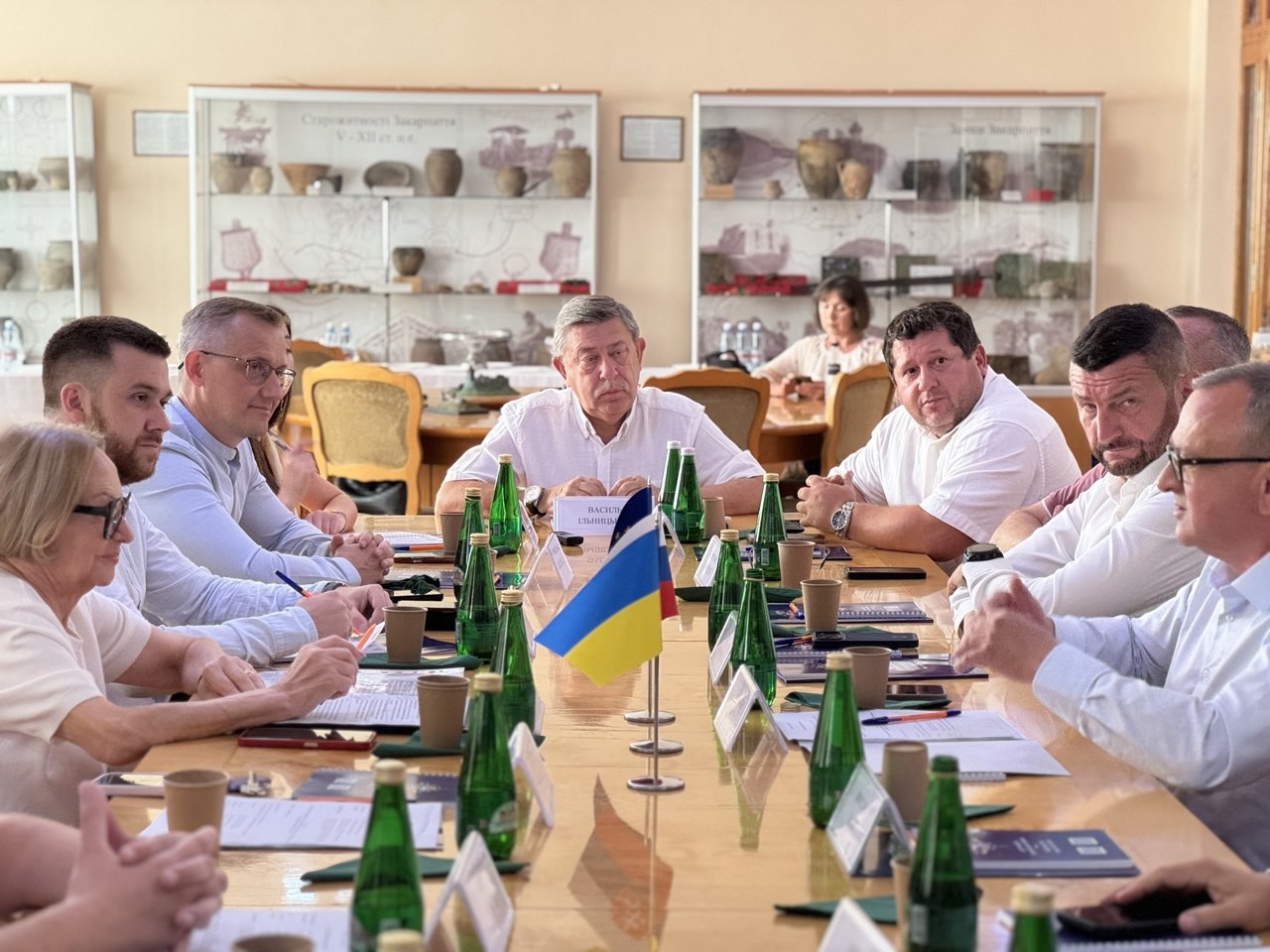
Participants in the discussion included Oleh Adamchuk, Honorary Consul of Slovakia in V. Berezno; Vitalii Andreiko, Dean of the Faculty of History and International Relations and Candidate of Historical Sciences; Ihor Vehesh, Associate Professor in the Department of Political Science and Public Administration and Candidate of Political Sciences; Vasyl Ilnytskyi, Director of the Information and Publishing Center at UzhNU and Honored Journalist of Ukraine; Anatolii Kliuchkovych, Ph.D. in Political Science and Professor; Vasyl Levkulych, Dean of the Faculty of Social Sciences, Ph.D. in Philosophy and Professor; Mykola Palinchak, Dean of the Faculty of International Economic Relations, Ph.D. in History and Professor; Nadiia Kychera, Associate Professor at the Department of Political Science and Public Administration; Volodymyr Prykhodko, Head of the Department of International Economic Relations, Director of the Research Institute of Public Administration and Regional Development, Doctor of Economics, Professor; Yurii Ostapets, Acting Head of the Department of Philosophy, Doctor of Political Science, Professor; Head of the International Relations Department, Candidate of Historical Sciences, Associate Professor Oksana Svezhentseva; and Chairman of the Board of the Center for Regional Risk Analysis, Candidate of Political Sciences Anatolii Holovko.
In her closing remarks, discussion moderator Svitlana Mitriaieva emphasized that there is an illusion in Europe of a “safe distance” from war. But this is far from the truth. We must understand that in 21st-century Europe, there are no longer any “distant conflicts.” The idea that a country can hide behind geography, neutrality, or populist rhetoric is a very dangerous illusion. Today, the border between Uzhhorod and Mykhailivtsi is not merely the boundary between two states. It is the border between the stability of the European Union and the Russian Federation’s zone of aggressive expansionism. And when we in Ukraine talk about the future of our relations with Bratislava, we proceed from a simple truth: Slovakia can be safe, prosperous, and sovereign only when Ukraine is safe and sovereign.